
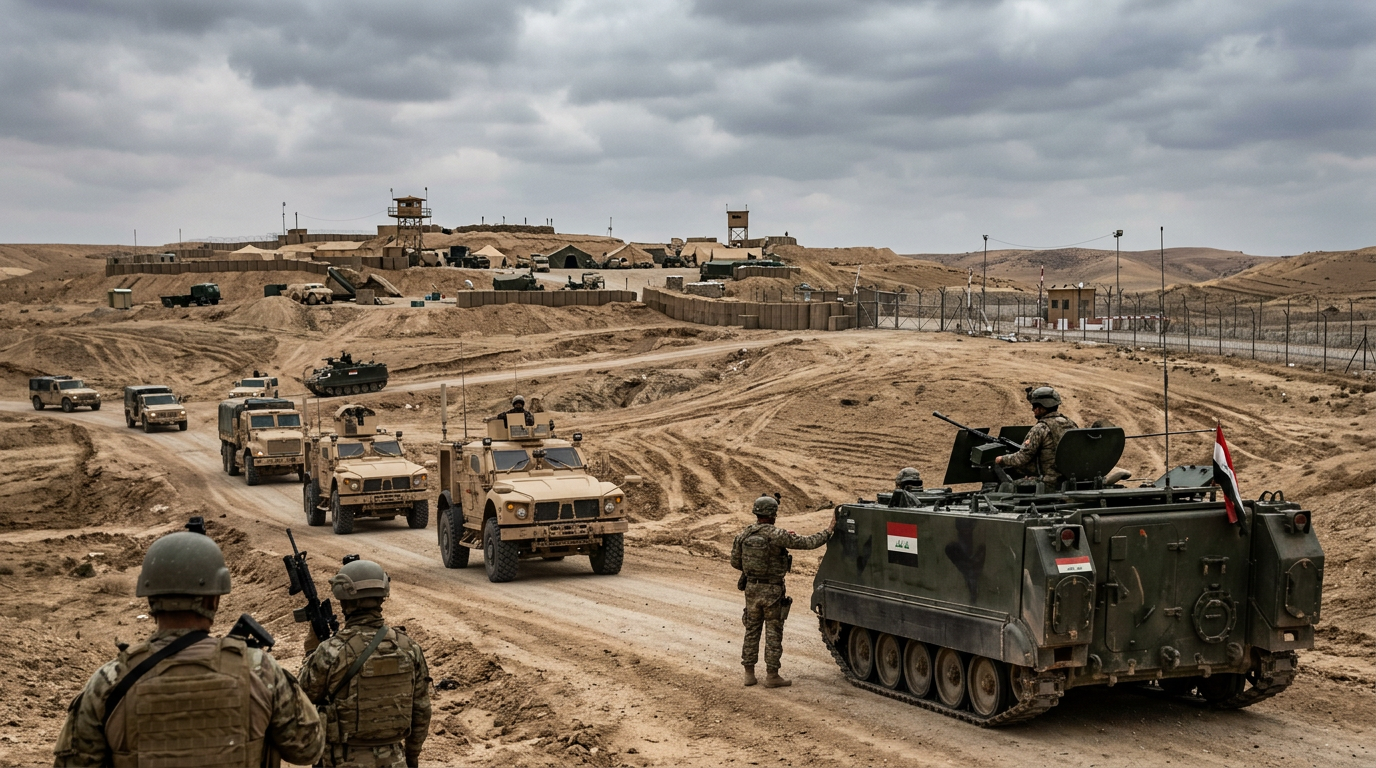
Geopolitical Context and Current Bilateral Relations
As the Middle East navigates a period of significant regional realignment, defense analysts and geopolitical researchers have begun modeling hypothetical scenarios concerning the stability of the Iran-Iraq border region for the year 2026. While both nations currently maintain a complex relationship defined by economic interdependency and security cooperation, the potential for friction remains a focal point for international observers.
Factors Contributing to Regional Instability
The core of any hypothetical 2026 conflict analysis rests on the interplay between state sovereignty and the influence of non-state actors. Iraq continues its arduous process of post-conflict reconstruction, seeking to balance its foreign policy between its neighbors and Western allies. Conversely, Iran maintains a strategic interest in ensuring that Iraqi territory does not serve as a staging ground for actions perceived as hostile by Tehran.
Security and Territorial Sovereignty: A primary driver for potential escalation involves the security of the shared border. Ongoing tensions regarding the activities of Kurdish separatist groups and the presence of various militias create a volatile environment. In a hypothetical 2026 scenario, a breakdown in security coordination could lead to unauthorized cross-border operations, potentially triggering a wider diplomatic or military crisis.
Economic and Energy Dependencies
The economic relationship between Tehran and Baghdad is extensive, particularly regarding energy exports. Iran provides significant electricity and natural gas to Iraq, which is critical for the Iraqi power grid. Any hypothetical conflict in 2026 would likely be constrained by this mutual dependency. An overt military confrontation would result in immediate energy shortages for Iraq and a loss of vital revenue for Iran, serving as a deterrent against full-scale warfare.
The Role of International Mediation
In the event of heightened tensions, the international community, including regional powers and the United Nations, would likely engage in intensive diplomatic efforts to prevent escalation. The 2026 security landscape is expected to remain heavily influenced by the presence of international stakeholders who prioritize the containment of conflict to ensure global energy market stability and prevent the resurgence of instability that could facilitate the return of extremist organizations.
Conclusion: Prospects for Stability
Current analysis suggests that while friction points exist, a direct large-scale conflict between Iran and Iraq in 2026 remains a low-probability scenario. Both nations have demonstrated a preference for managing disagreements through bilateral diplomatic channels and back-channel negotiations. The focus for 2026 remains on the continued integration of regional security frameworks, aiming to mitigate the risk of accidental escalation and preserve the status quo in a sensitive geopolitical theater.